Fall texture, still a haircut
Soft Wolf Cut
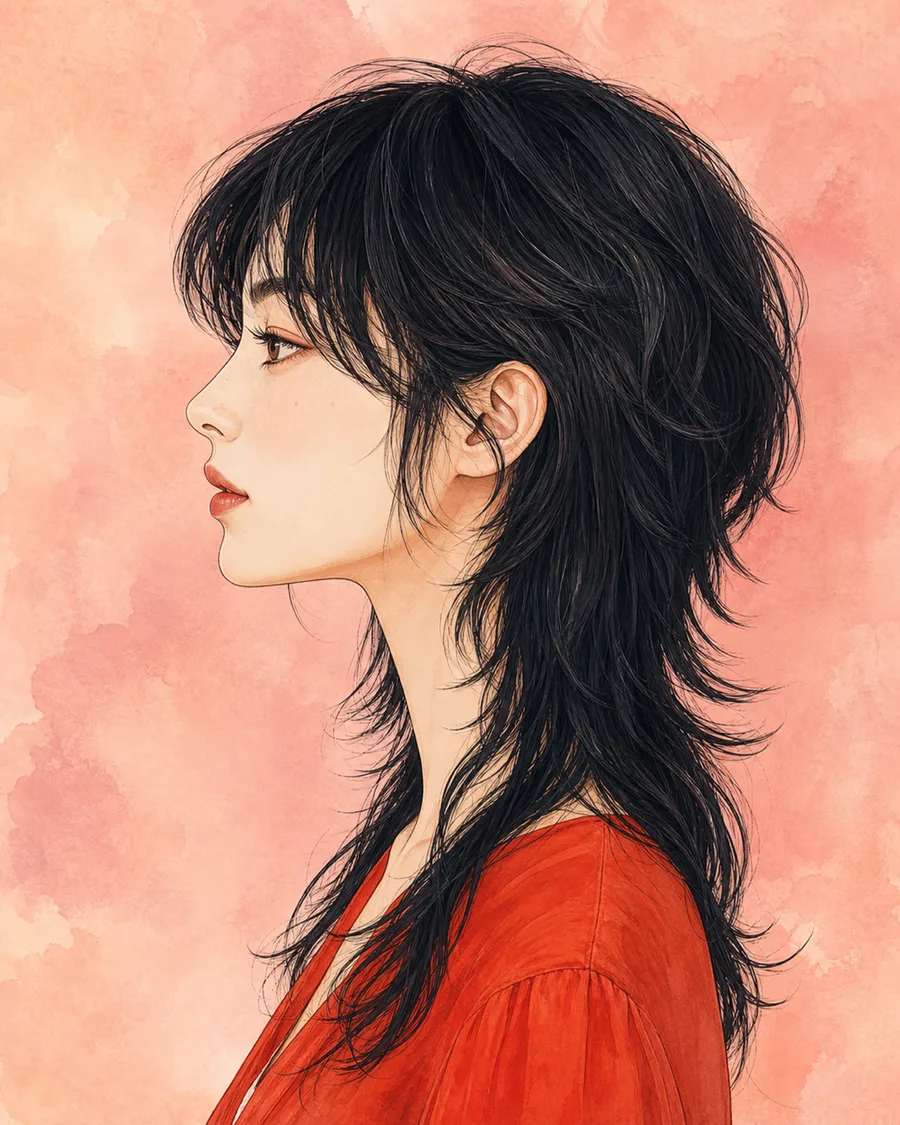
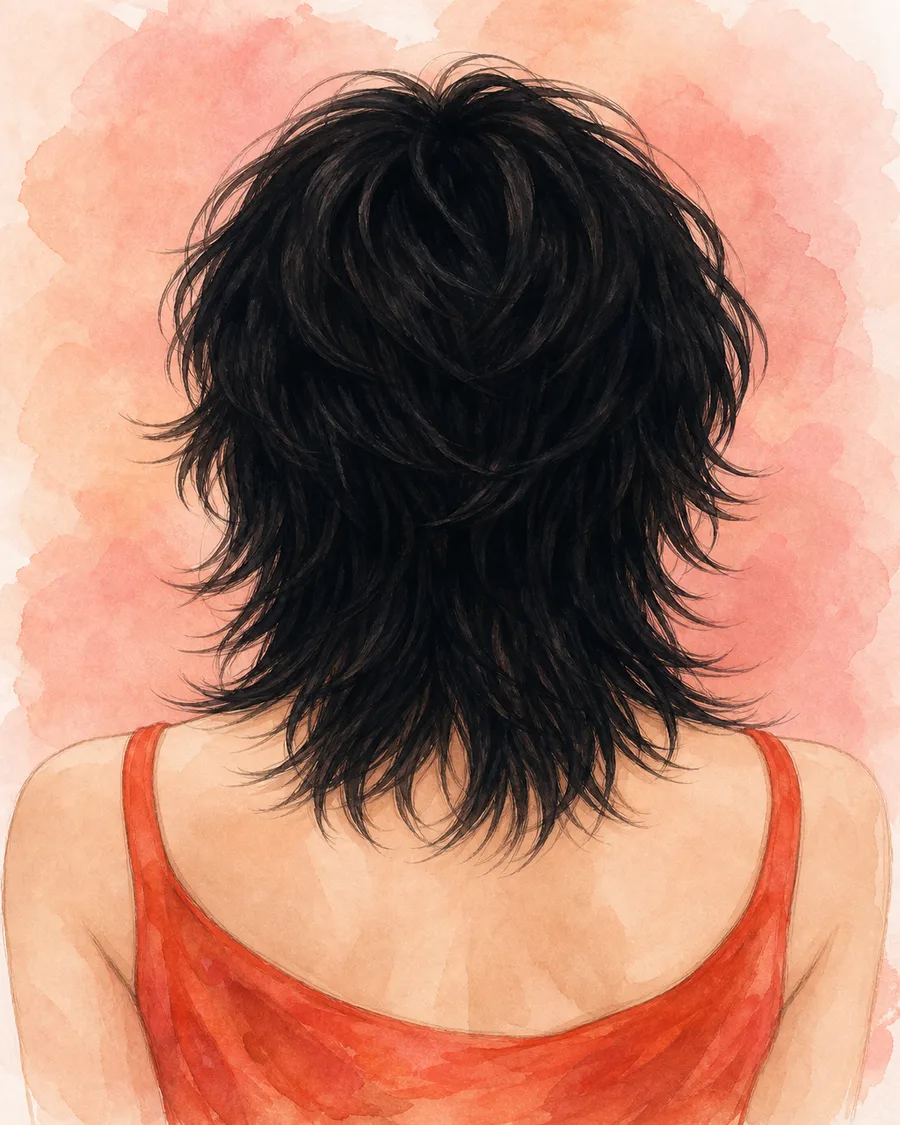
A shorter, layered crown with an open face frame and a longer, broken perimeter — the lived-in layers people reach for in cooler weather, without turning the cut into a costume wig.
Your first Safe Match preview is free- LengthMedium
- Hair typeStraight · Wavy · Curly
- Daily styling5–15 min · Medium
- Salon trimevery 6–10 weeks
- Trade-offThe shape depends on visible texture and separation, so flattening it completely hides the layering. Face-framing pieces that sit at the cheeks can add width; confirm the shortest dry point before cutting.
Why it works, texture and upkeep
Why it can work
The shorter crown layers create volume at the root, which is what gives medium-length hair a textured outline instead of hanging in one sheet. That is a haircut change, not a guaranteed match for every face.
Texture fit
Works across straight, wavy, and curly hair when internal weight is adjusted — a texturizing spray and finger-styling usually show the broken layers. Fine straight hair can look stringy if too much weight is removed.
Daily effort and upkeep
Medium upkeep — the crown layers need a refresh every 6–10 weeks to stay choppy rather than grown-out, with 5–15 minutes of daily styling. Plan for product; air-dried and smoothed versions read as different cuts.
One real trade-off
The shape depends on visible texture and separation, so flattening it completely hides the layering. Face-framing pieces that sit at the cheeks can add width; confirm the shortest dry point before cutting.
Fall texture, not a costume
What this cut actually changes
Cooler-weather feeds keep reaching for broken layers. This page maps that trend onto HairFit's existing Soft Wolf Cut: a shorter crown, an open face frame, and a longer, separated perimeter. It is a haircut with visible texture — not a Halloween wig, a celebrity replica, or a promise that the shape will suit every face.
- Soft wolf cutblended layers, gentler crown
- Long wolf cutsame crown, length past the shoulders
- Korean wolf cutcurtain fringe, smooth face frame
- Men's wolf cuttextured top, longer nape

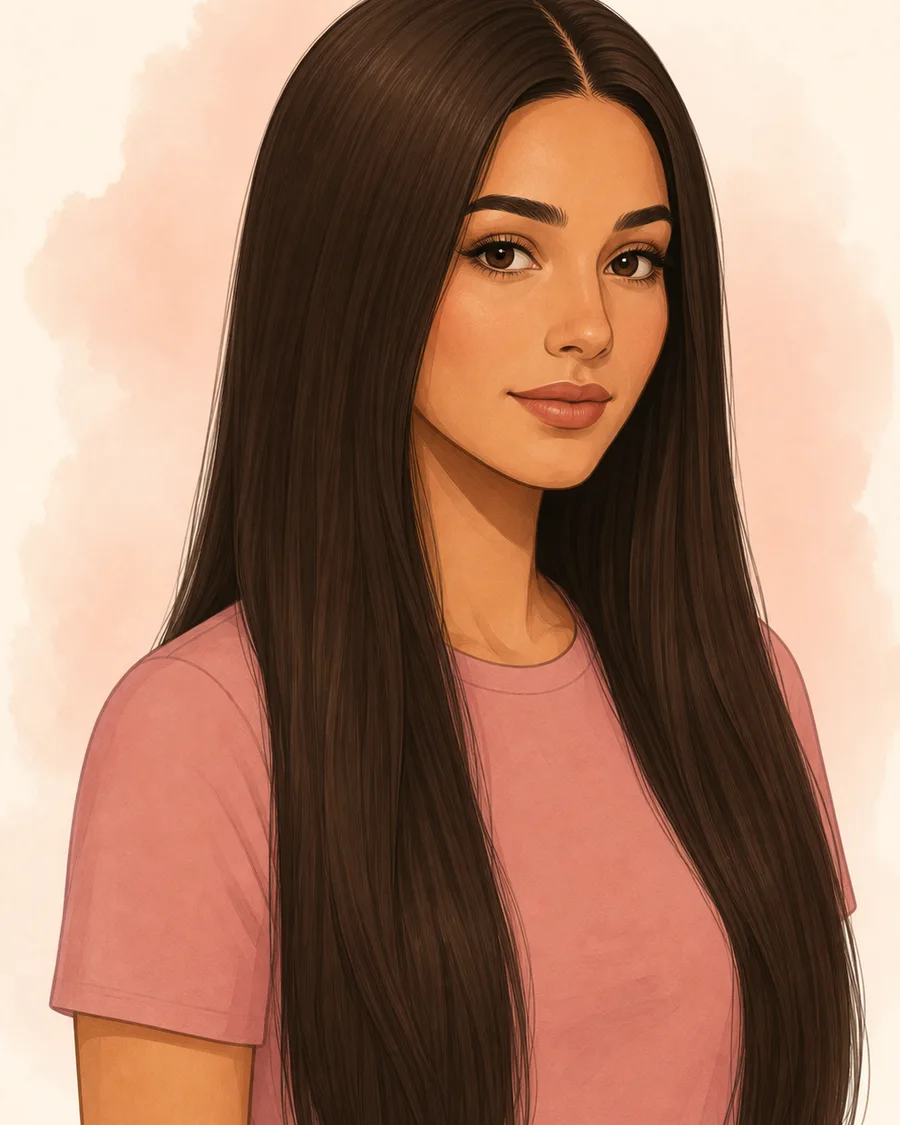
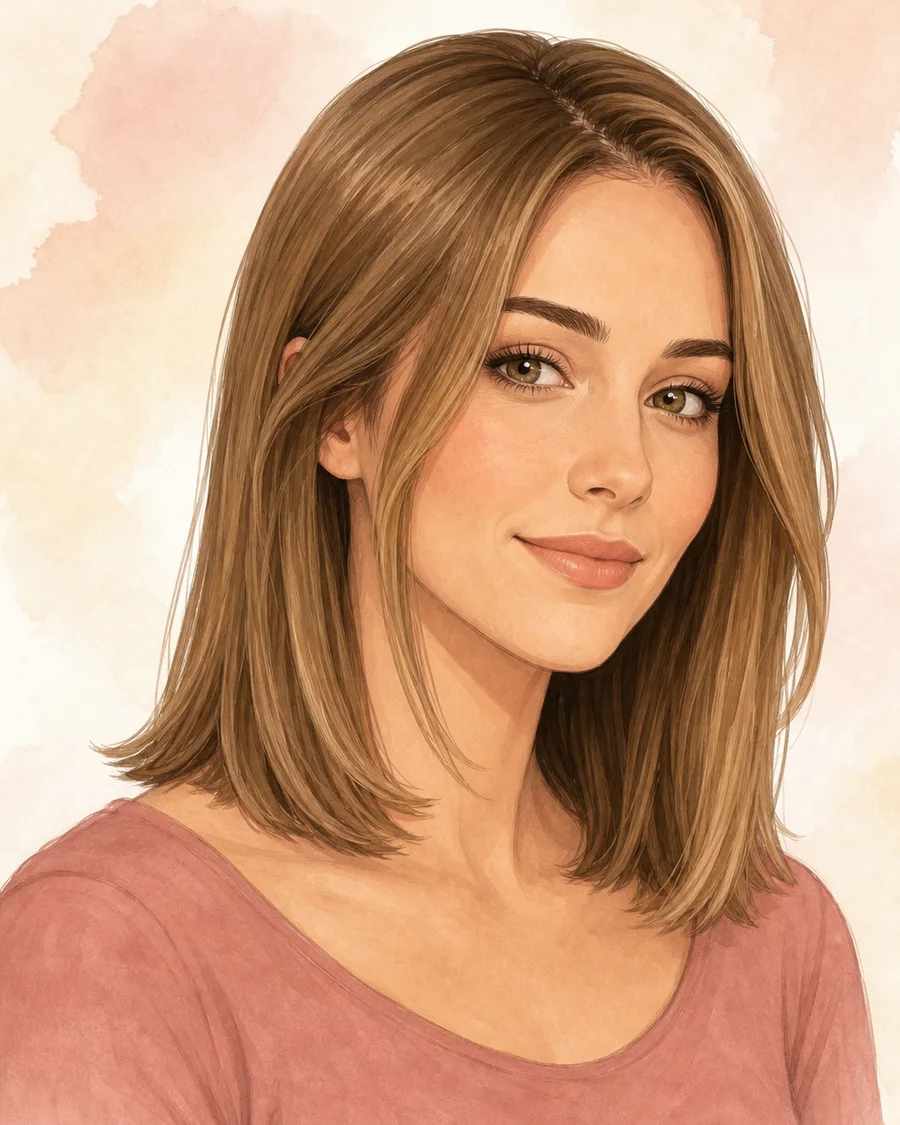
AI-generated illustrated example · same drawn person, not a customer photo or a guaranteed salon outcome
Your try-on result is a reference image to bring to your stylist — a picture of the direction, not a promise of the cut.
- Sign in before upload
- Original photo deleted within 24 hours
- Delete a session any time from your account
Wolf cut vs. the cuts it gets confused with
The difference is where the weight sits. Hush cut is not in the HairFit catalog, so it has no try-on.
| Wolf cut | 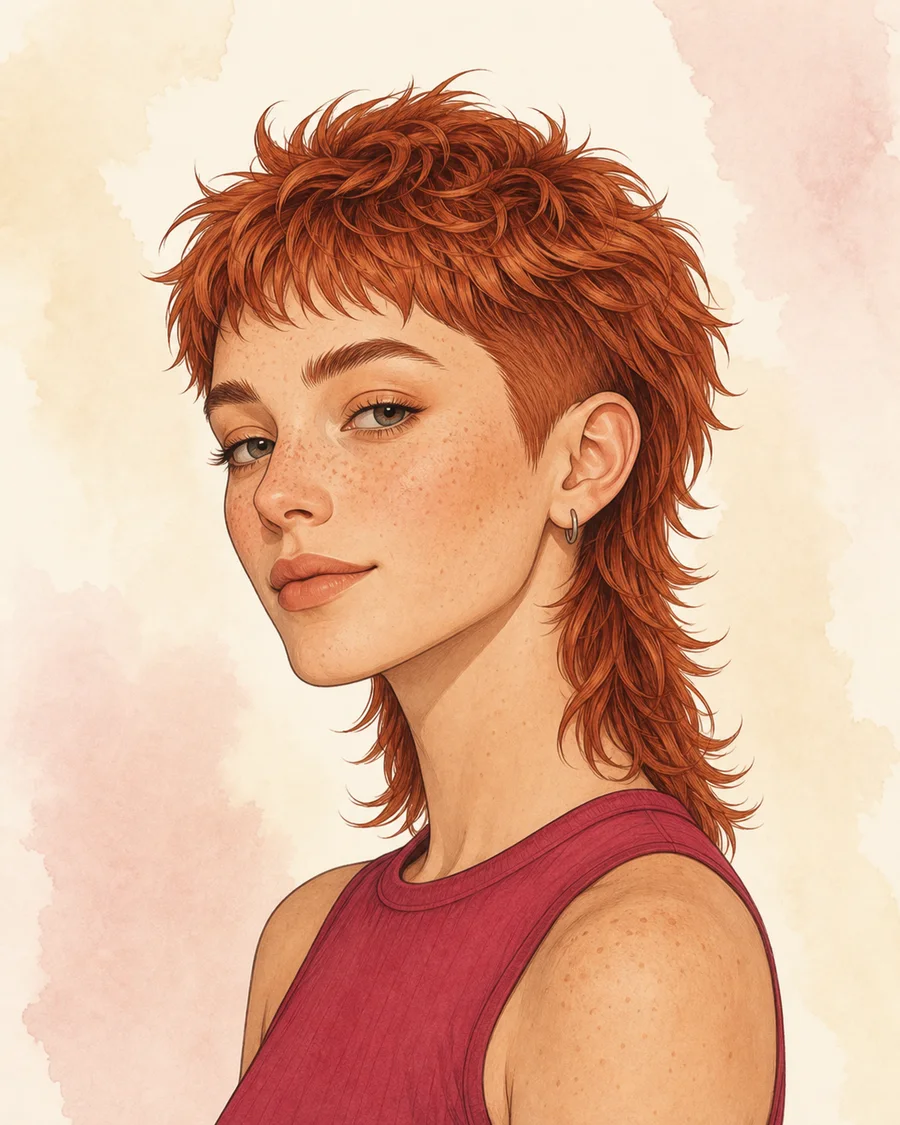 Mullet |  Shag |  Butterfly | Hush cut | |
|---|---|---|---|---|---|
| Weight sits | Crown | Back of the neck | Spread evenly | Bottom length | Thinned inside |
| Layer break | Choppy, partly broken | Hard break at the nape | Blended all round | Two blended tiers | Seamless |
| Face frame | Curtain or wispy fringe | Short front and sides | Soft, feathered | Lifted cheekbone layers | Subtle, airy |
| Daily styling | 5–15 min, texture product | 10–15 min | 5–15 min | 10–15 min, round brush | Low effort |
| Growing out | Crown layers lag behind | Back length needs a decision | Softens gradually | Length stays, layers drop | Grows out quietly |
Hair type × face shape
A starting point for the salon conversation, not a verdict on your face.
- Usually works
- Works with a change
- Talk it through first
| Hair ↓ · Face → | OvalMost lengths balance. | RoundKeep the shortest pieces below the cheekbones. | SquareLet soft pieces fall past the jaw. | LongLess crown height; a fringe shortens the line. |
|---|---|---|---|---|
| Fine or thin | Works with a change | Talk it through first | Works with a change | Works with a change |
| Straight, medium to thick | Usually works | Works with a change | Usually works | Works with a change |
| Wavy | Usually works | Works with a change | Usually works | Works with a change |
| Curly or coily | Usually works | Works with a change | Usually works | Talk it through first |
- Fine or thin
- Stylists disagree here. Short crown layers can add lift, but heavy thinning makes the ends see-through. Ask for point-cut layers, not thinning shears, and plan on texture spray daily.
- Straight, medium to thick
- Holds the outline well; without product the layers can lie flat and read as a plain layered cut.
- Wavy
- The easiest match — the waves do the separating for you.
- Curly or coily
- Needs a stylist who cuts curls dry, curl by curl. Plan the crown for shrinkage: layers bounce up shorter than they are cut.
Texture, upkeep, and face-shape limits
- Fine, straight hair can look stringy at the ends if too much internal weight is removed; product is part of the shape, not an optional extra.
- Rounder faces can read wider when the shortest pieces sit at the cheeks. Ask for a longer open frame rather than assuming the illustrated length is correct on you.
- Curly hair needs the dry perimeter planned for shrinkage. The illustrated length is a dry visual, not a stretched measurement.
- A wolf cut does not correct a hairline, density, or medical hair-loss concern, and it does not guarantee a face-shape match.
Take to the salon
Cut Card sample for a stylist
Take these notes to the chair. They describe a visual direction and the questions still open. They are not a technique command.
- Length
- Shorter crown; medium, broken perimeter that still has some tie-back length at the nape.
- Layers
- Choppy upper layers for root movement; keep enough interior weight so the ends do not collapse.
- Fringe
- Curtain or wispy opening. Confirm the shortest dry point on the face before cutting.
- Texture
- Straight, wavy, or curly if internal weight is adjusted. Separate the haircut from a finger-styled finish.
- Upkeep
- Usually 5–15 minutes most days; a shape check every 6–10 weeks. Air-dried and smoothed versions read as different cuts.
- Avoid
- Flattening the layering into one smooth sheet, copying a costume-wig silhouette, or treating the illustration as a celebrity same-cut.
Side and back views are AI-inferred construction references from a front illustration, not exact predictions of your profile. HairFit does not guarantee fit and does not sell celebrity-same-cut results.
Questions to ask your stylist
- Can we keep enough nape length for a low tie-back?
- Where should the shortest face-framing pieces sit on my face, dry?
- How should internal weight change for my density so the ends do not look stringy?
- Which parts of this illustration are the haircut versus a finger-styled finish?
- If this shape will not work with my growth pattern, what is the closest catalog alternative?
Bad cut? A 4–6 month grow-out plan
Hair grows roughly 1–1.5 cm a month, so the short crown needs a few months to catch up with the rest.
- Weeks 0–2
Don't re-cut it shorter
Style the crown with texture spray; pin or clip the shortest front pieces.
- Month 1–2
Trim the ends only
Ask for a dusting of the perimeter and leave the crown layers alone.
- Month 2–4
Bridge shape
A soft shag or layered bob blends the crown into the rest.
- Month 4–6
One blending cut
Once the crown reaches the mid layers, even out the outline in a single appointment.
Men's wolf cut
Same cut, usually shorter at the sides and worn with more texture on top. HairFit uses the same Soft Wolf Cut look on any photo.
- Top
- Roughly 10 cm (4 in) gives the crown layers room to move.
- Fringe
- Reaching the eyebrows, so it can be split into a curtain.
- Nape
- Past the collar. Shorter than that, it reads as a crop.
- Styling
- Sea-salt spray or matte paste, rough-dried with fingers.
Before you try this on
Will a Soft Wolf Cut definitely suit my face?
No. This page can show a visual direction and the upkeep it usually asks for. Face shape, density, growth pattern, and current length still have to be confirmed in the salon. HairFit does not guarantee fit.
Is this a Halloween or costume-wig look?
No. Seasonal feeds often show broken layers in cooler weather. This page maps that texture onto HairFit's existing Soft Wolf Cut — a shorter crown, an open face frame, and longer separated ends — not a costume wig and not a celebrity replica.
Can I take this to a stylist as a finished cutting plan?
Use it as a Cut Card starting point: length, layers, fringe, texture, maintenance, and questions. The side and back views are AI-illustrated construction references from a front portrait, not exact predictions of your profile or head shape.
Close alternatives
Change one decision at a time.